
Who’s on your team?
Have you ever thought about who makes up the team advocating for and supporting your animal?
There’s change afoot in the veterinary industry at the moment with discussions going on between the Royal College of Veterinary Surgeons (RCVS), the Department for Environment and Rural Affairs (DEFRA), paraprofessionals and public consultation. Current veterinary legislation is nearly 60 years old – The Veterinary Surgeons act 1966 – and the RCVS are looking to amend and update this legislation to acknowledge and regulate the work that paraprofessionals are doing within animal care (RCVS, 2021)
The vet-led team is a term that has been used by both the RCVS (2021) and the British Veterinary Association (BVA). As part of the report published by the RCVS it was noted that enhancing and embracing the vet led team approach could offer higher standards of care, give owners and vets clarity when accessing external practitioners, improve working relationships and prevent illegal activity of practitioners working outside the boundaries of current legislation.
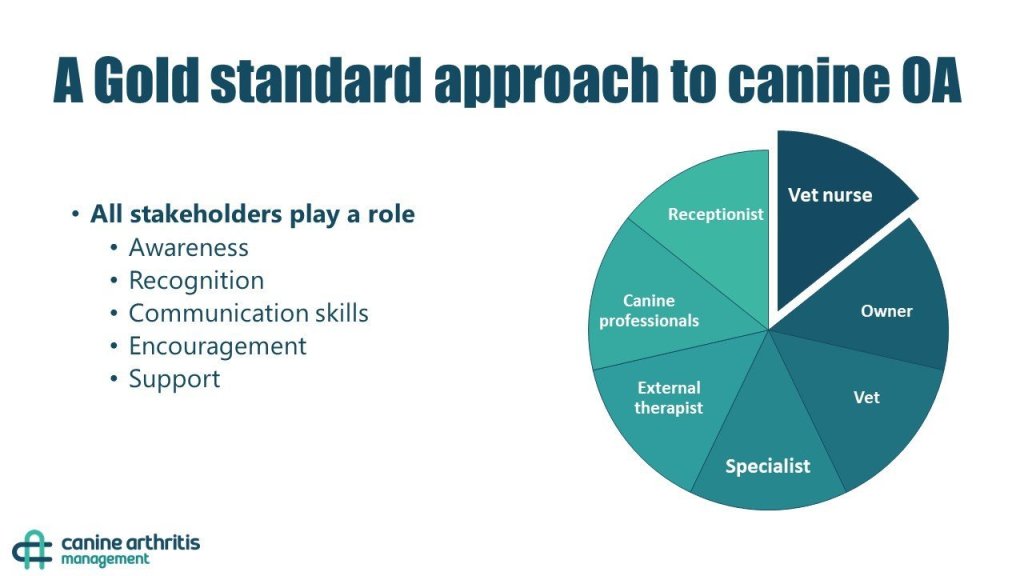
The BVA have even gone so far as to create a graphic model of their vision for the vet let team (BVA, 2019), which they have called the hub and spoke model. This has the vet as the central “hub”, with allied and paraprofessionals as the spokes. You can view their model here. Their view is that this model will allow for improved relationships between vets, clients and other professionals and effective use of skills.
The professional associations I am qualified and registered with also support this model of working, as do I. At the end of the day, your vet will remain as the primary care provider for your animal – diagnosing conditions, prescribing medications and undertaking procedures. They will provide oversight of all care the animal receives (BVA, 2019). But allied professionals can utilise their specialist skills to support your animal’s care, to work towards the best and most appropriate outcomes.
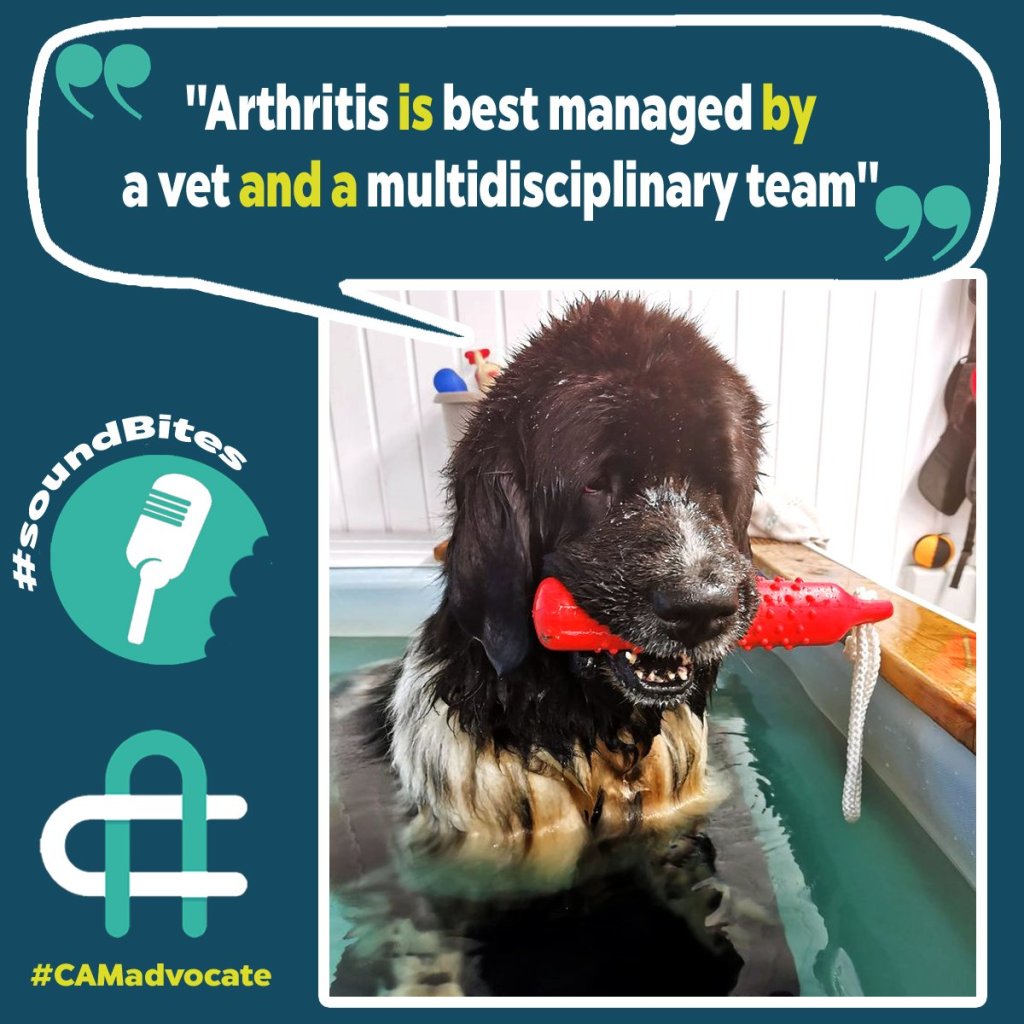
So, who’s on your team? I’m guessing, if you’re reading this, I’m already part of your animal’s team 🤩 but who else do you use? You might have other manual therapists – sports massage, osteopath, physiotherapist. Perhaps you’re also using a behaviour consultant or nutritionist. Farriers, saddlers and dentists also fall into this category for you horsey folk. And what about your groomer for the dogs? Don’t forget your instructors too. Whoever you use, the most important thing is that we can all work together to help your animal and I’m a firm believer in opening up communication rather than working at odds with each other. I’m always happy to discuss my findings with other professionals who work with your animal (so long as you’re happy for me to) as I think that’s how we give them the best care ❤️
In summary, I’m honoured to be part of your animal’s team!
References
RCVS, 2021, Legislative Review Consultation Report 2021, available online at https://www.rcvs.org.uk/news-and-views/publications/legislative-review-consultation-report-2021/https://www.bva.co.uk/take-action/our-policies/the-vet-led-team/
BVA, 2019, The Vet-led team, available online at https://www.bva.co.uk/take-action/our-policies/the-vet-led-team/
Canine Arthritis Management, 2022, resources and more information at https://caninearthritis.co.uk/
 North Downs Animal Therapy